Search
Results for “Small Block Chevy”
Did you mean: small black chevi
-
-
-
-
-
-
-
-
-
-
-
-
-
Manley Performance
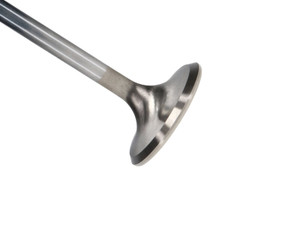
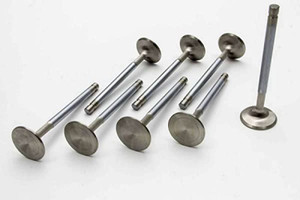
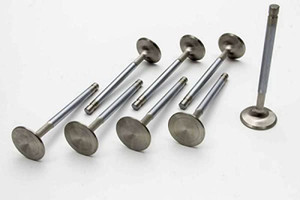
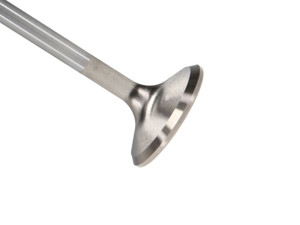
Manley Severe Duty Series Small Block Chevy Stainless Steel Exhaust Valves - Set of 8
$401.42 -
-
Manley Performance
Manley Small Block Chevy 1.500in Head Diameter Race Flo Exhaust Valves (Set of 8)
$251.58 -
-
-
-
Manley Performance
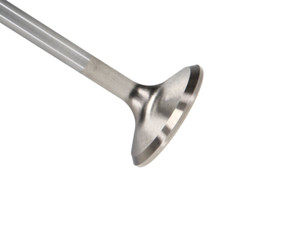
Manley Small Block Chevy 3/8in Stem Diameter Race Flo Intake Valves (Set of 8)
$251.58 -
Manley Performance
Manley Small Block Chevy 2.100in Head Dia Severe Duty Intake Valves (Set of 8)
$415.30 -
-
-
Manley Performance
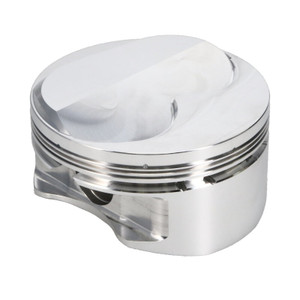
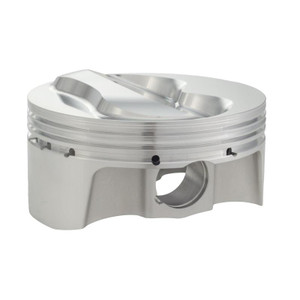
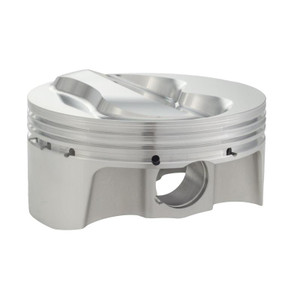
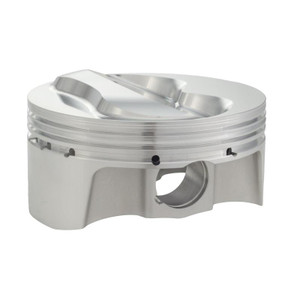
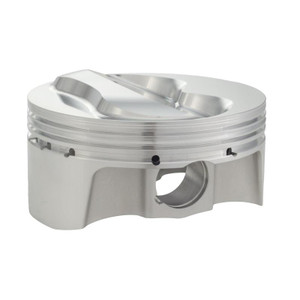
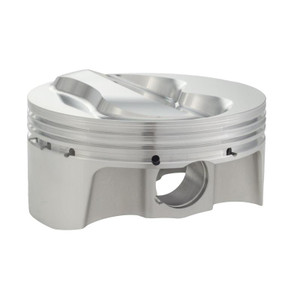
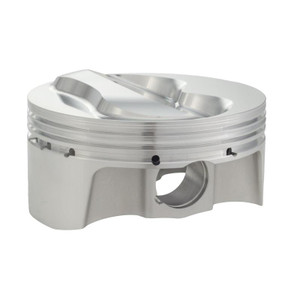
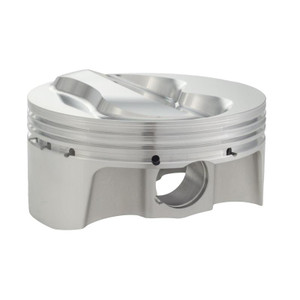
Manley Small Block Chevy 4.125in Bore - 1in CD - -20 cc Dish Platinum Series Pistons
$1,034.31 -
-
-
-
Manley Performance
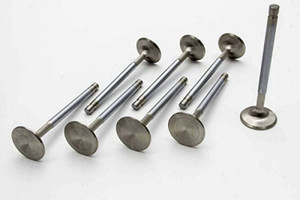
Manley Severe Duty Series Small Block Chevy Stainless Steel 2.08in Intake Valves - Set of 8
$401.42 -
-
-
-
-
-
-
-
-
Manley Performance
Manley Severe Duty Series Small Block Chevy V8 1.600 Stainless Steel Exhaust Valves - Set of 8
$401.42 -
-
-
-
-
-
-
-
-
-
-
-


















Pages & guides
9 results-
llms.txt
Page
# HRC Performance > Performance engine builder and speed shop in Huntington Beach, California. > We build engines in-house and sell performance parts online, with roughly > 300,000 parts from 471 br ...
-
Coyote Engine Builds
Page
Ford 5.0L Coyote — built to survive boost, installed in-house. From a bolt-in street combo to a competition short-block, every HRC Coyote build is spec’d to its power target and assembled on ou ...
-
LS vs Coyote Swap
Page
For a swap, the LS usually wins on packaging and parts and the Coyote wins on how the engine behaves. The LS is a pushrod V8, so it is narrow, and the swap ecosystem around it is enormous — in HRC's ...
-
LS Engine Builds
Page
GM LS — the swap and power-adder king, built to your target at HRC. Whether it's a cam-and-top-end wake-up, a naturally aspirated stroker, or a boost-ready short block for your next swap, HRC builds ...
-
Engine Build Programs — 7.4L Godzilla 800 HP
Page
7.3L, boosted, and built to move. SpecResultVehicleFord F-250 Super Duty (7.3L Godzilla)Power (est.)~1200 HPTorque (est.)~1050 lb-ftFuel / BoostE85, forced inductionEngine familyGodzilla 7.3L Key co ...
-
Supercharger Types for a Coyote
Page
There are three ways to blow a Coyote and the difference is when the boost arrives. A centrifugal blower like ProCharger builds boost as the engine revs, so it is strong at the top and soft down low.
-
Coyote vs Godzilla
Page
The Coyote is Ford's 5.0-liter four-cam V8 — it revs, it responds well to boost, and it has the deeper aftermarket of the two. The Godzilla is Ford's 7.3-liter pushrod V8 built for torque from displa ...
-
Install Support Packages
Page
The parts your build actually needs to make — and hold — power. Boost and big builds fail on the supporting systems, not the short block. HRC bundles the supporting upgrades — fuel, cooling, oil, exh ...
-
Twin-Disc vs Single-Disc Clutch
Page
A single-disc clutch has two friction faces; a twin-disc has four. That extra area is where the capacity comes from, which is why a twin can hold more power without a heavier pedal or a sharper take- ...